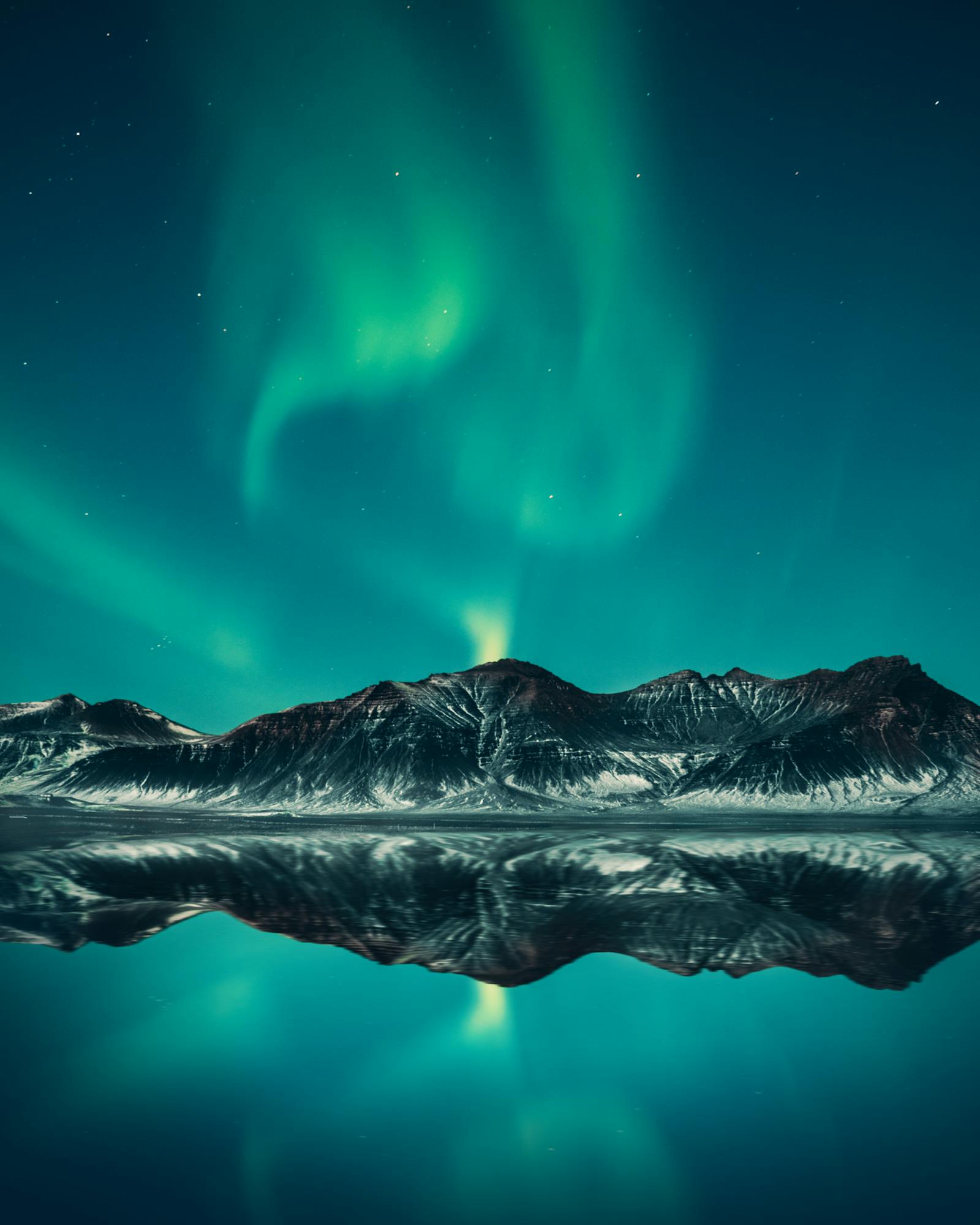
Latvia is the middle Baltic state — a quietly beautiful nation of dense forests, white-sand beaches, and one of Europe's most architecturally stunning capital cities. Riga is home to the world's largest collection of Art Nouveau buildings, a UNESCO-listed medieval Old Town, and a creative cultural scene punching well above its small-nation weight.
Beyond Riga, Latvia offers the windswept sand dunes and pine forests of Cape Kolka, the medieval Turaida Castle rising from forested river valleys, the spa town of Jūrmala with its wooden beach villas, and the ancient hillforts and wetlands of Latgale in the east — all largely undiscovered by mass tourism.
Riga's medieval Old Town (UNESCO World Heritage) and its extraordinary Art Nouveau district contain more Jugendstil buildings than any city on earth. The Central Market in former Zeppelin hangars, the Freedom Monument, and Riga Castle make the capital endlessly walkable and rewarding.
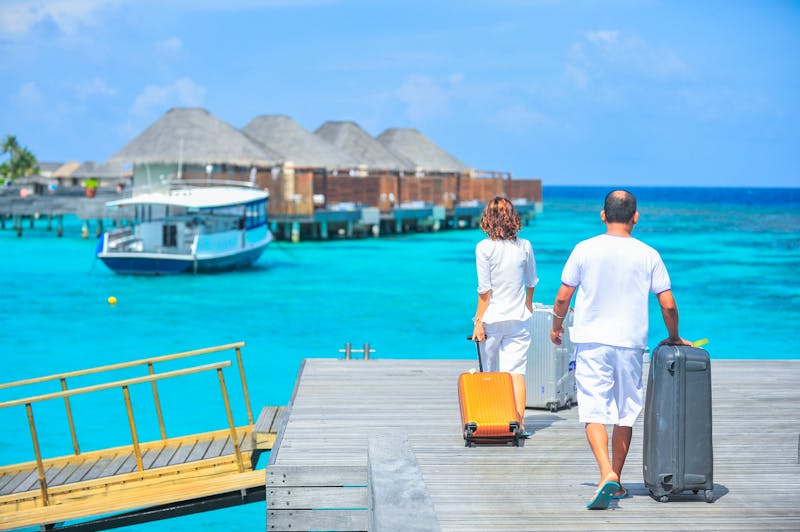
Just 30 minutes from Riga by train, Jūrmala is a 26 km stretch of white sandy beach backed by pine forest. Its ornate 19th-century wooden beach villas, amber-collecting shores, and spa hotels have made it the Baltic's most fashionable seaside resort since Tsarist times.
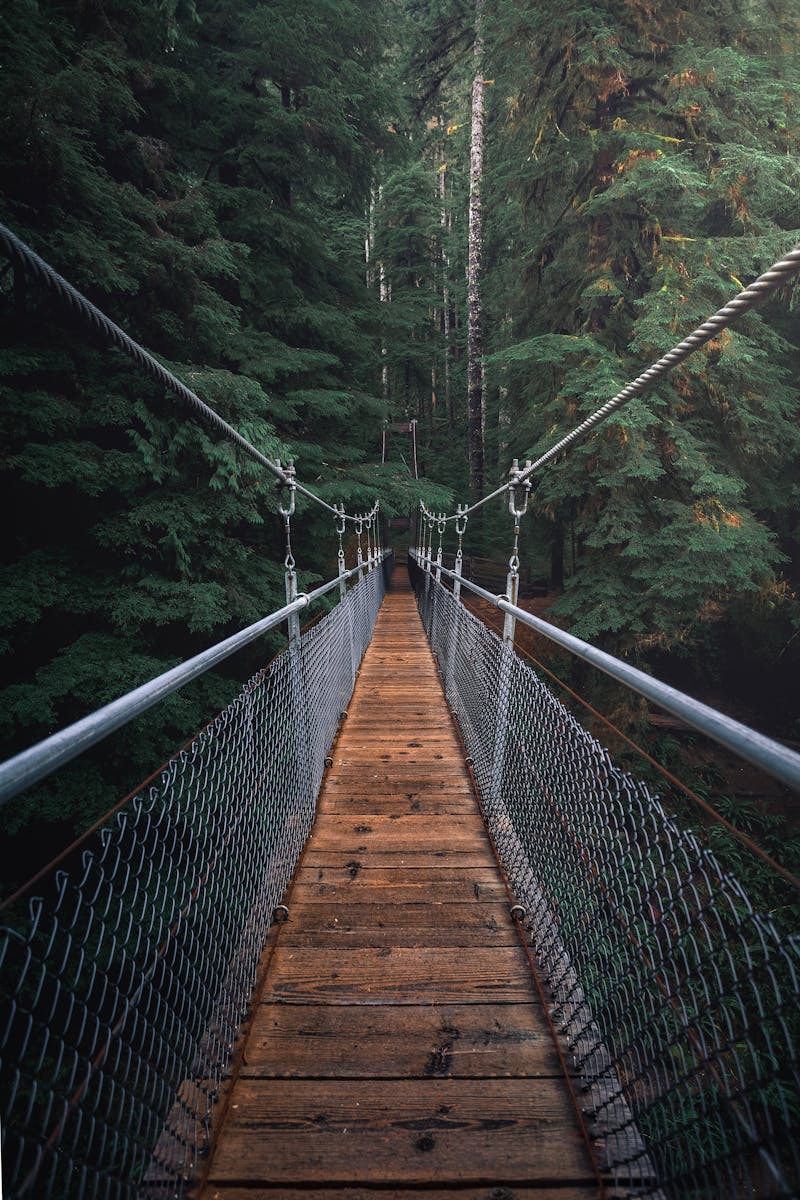
Latvia's oldest national park follows the meandering Gauja River through sandstone cliffs, caves, and ancient forest. The medieval Turaida Castle, the red-brick Cēsis castle ruins, bobsled tracks, and bungee jumping over the valley make it Latvia's most action-packed destination.
Designed by the same architect as Versailles and St Petersburg's Winter Palace, Rundale is Latvia's greatest baroque treasure. Its 138 rooms, gilded state halls, and formal French garden amid the quiet Zemgale countryside feel startlingly grand for such a rural location.
At the tip of the Kurzeme Peninsula, two bodies of water — the Gulf of Riga and the Baltic Sea — collide in a dramatic visible clash of waves and currents. The surrounding Slītere National Park is one of Latvia's wildest corners, with ancient sand dunes and primeval coastal forests.
Known as 'Latvia's Switzerland' for its forested hills and river valley views, Sigulda is home to three medieval castles, an Olympic bobsled track (open to tourists), and Latvia's only cable car crossing the Gauja gorge. Autumn here is spectacularly colourful.
June–August for long evenings, beach season, and Jāņi (Midsummer) celebrations on June 23 — Latvia's most important folk festival with bonfires, flower crowns, and song. September–October brings golden forests. Riga's Christmas market is one of Europe's finest.
Riga has good trams, trolleybuses, and buses. Trains reach Jūrmala and Sigulda easily. Long-distance buses serve most of Latvia efficiently. Renting a car is recommended for Gauja National Park, Rundale Palace, and the Kurzeme coast.
Try grey peas with bacon (pelēkie zirņi ar speķi — Latvia's unofficial national dish), dark rye bread, smoked fish, skābputra (fermented porridge), Jāņi cheese with caraway seeds, and Riga's famous Black Balsam herbal liqueur — an acquired taste that grows on you.
Latvians are reserved but warm once comfortable. The Latvian Song and Dance Festival (held every 5 years, next in 2028) is a UNESCO-recognised event of extraordinary cultural significance. Amber jewellery is an excellent authentic souvenir — buy from reputable shops in Riga's Old Town.
Let VINTAGE EUROPE TRAVEL AND TOURISM craft your perfect journey through Latvia's most captivating destinations.
Plan My Trip
