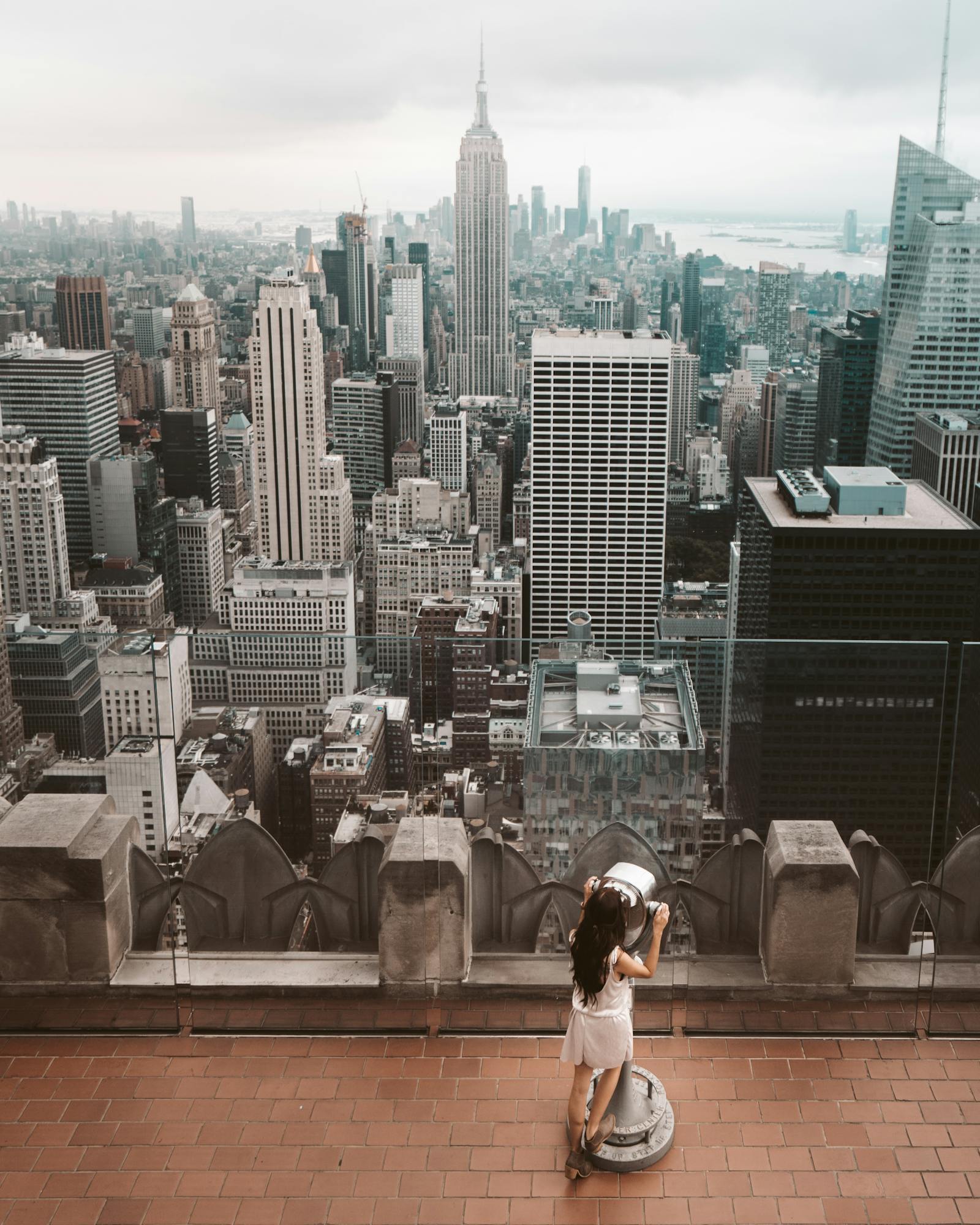
Estonia is the most northerly and technologically advanced of the Baltic states, a tiny nation that has reinvented itself from Soviet republic to one of the world's most digitally connected societies. Yet beneath the e-government and digital innovation lies one of Europe's most remarkably preserved medieval capitals and vast ancient forests.
Tallinn's UNESCO-listed Old Town is one of the best-preserved medieval cities in northern Europe, with its 13th-century town wall, limestone towers, and cobbled market squares. Beyond the capital, Estonia is 50% forested, dotted with 1,500 islands, and home to a nature-loving culture that celebrates bogs, forests, and the long amber evenings of the Baltic summer.
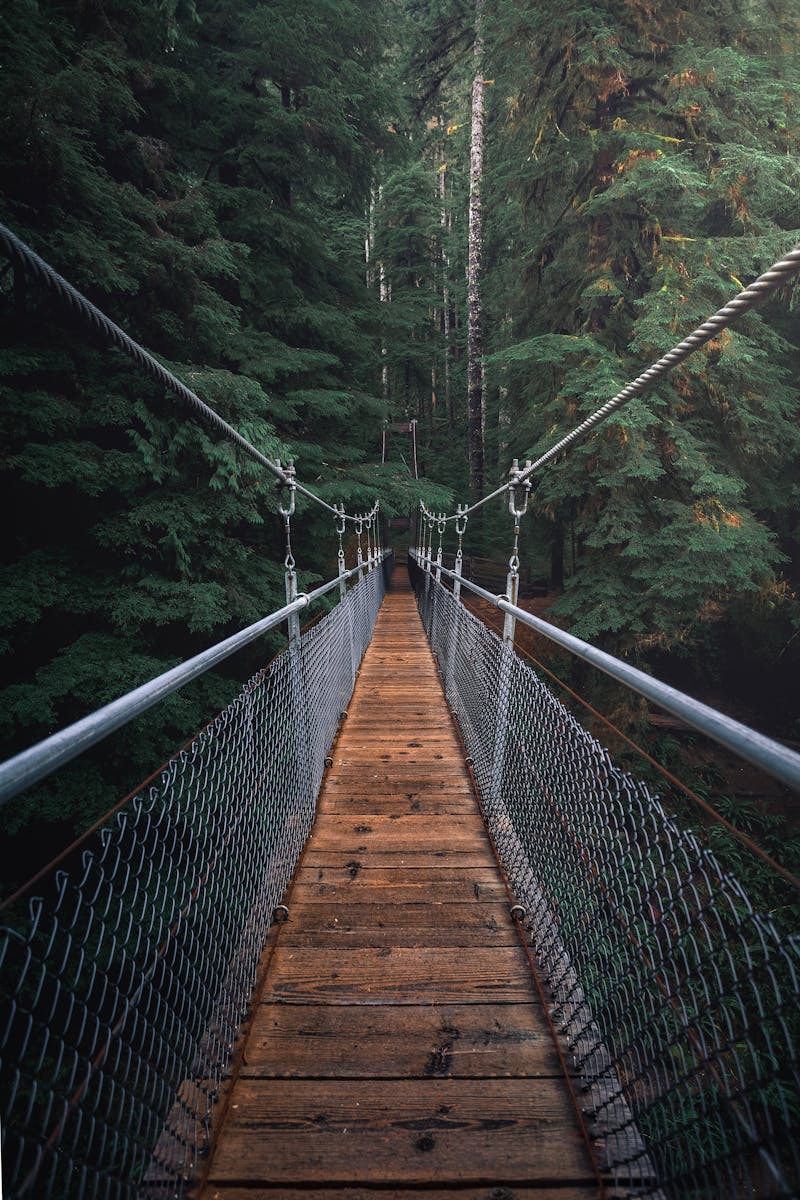
Tallinn's UNESCO-listed Old Town is divided into the upper Toompea hill (home to Toompea Castle and Alexander Nevsky Cathedral) and the lower merchant town. The remarkably intact 13th-century town wall with 26 towers still encircles much of the old city.
Estonia's largest national park stretches along the Gulf of Finland coast, encompassing ancient manor houses, fishing villages, vast bogs, and old-growth forests. The Viru Bog boardwalk is one of Estonia's most popular and accessible nature experiences.

Estonia's largest island is famous for the Kaali meteorite crater (Estonia's most visited natural site), the medieval Kuressaare Bishop's Castle, and traditional windmills. The island has a distinct slow-paced culture and exceptional nature.
This resort city on the Gulf of Riga is famous for its fine white sandy beach, charming wooden villas from the interwar period, and numerous spa hotels. Pärnu is where Estonians come to relax in summer — and it fills with energy from June to August.
Estonia's second city is dominated by the University of Tartu (founded 1632), giving it a youthful energy. The Estonian National Museum here tells the story of Estonian people in a striking modern building designed in the shape of a runway.
Estonia's second-largest island is one of the least-visited corners of the Baltics — a peaceful landscape of juniper meadows, historic lighthouses, and unspoilt coastline. The Kõpu Lighthouse, one of the world's oldest continuously operating lighthouses, dates to 1531.
June–August for long days (near-midnight sun), beach season, and outdoor festivals. The Midsummer celebration (Jaanipäev) on June 23 is Estonia's most important holiday. September offers beautiful autumn colours in the forests and fewer tourists.
Tallinn has an efficient tram and bus network (free for residents, affordable for visitors). Buses connect cities reliably. For islands, ferries from Virtsu to Saaremaa and Rohuküla to Hiiumaa run regularly. Renting a car gives the most freedom for rural areas.
Try verivorst (blood sausage, a Christmas staple), mulgipuder (barley and potato mash), smoked fish from island smokehouses, black bread (must), and Vana Tallinn liqueur. The craft beer scene in Tallinn is excellent and rapidly growing.
Estonia is famously the world's most digitally advanced society — you can vote, pay taxes, and start a business online. The country offers e-Residency to non-citizens. Free Wi-Fi is available almost everywhere, even in forests and on ferries.
Let VINTAGE EUROPE TRAVEL AND TOURISM craft your perfect journey through Estonia's most captivating destinations.
Plan My Trip
