
Croatia is the jewel of the eastern Adriatic — a country blessed with 1,244 islands scattered along a coastline of extraordinary beauty, medieval walled cities rising directly from crystal-clear sea, and a hinterland of mountains, forests, and waterfalls. From Dubrovnik's 'Pearl of the Adriatic' to the terraced blue-green waterfalls of Plitvice Lakes, Croatia consistently stuns.
The country's Habsburg and Venetian heritage fills its cities with baroque churches, Venetian palaces, and Roman ruins. Split's Old Town is built directly inside a 3rd-century Roman emperor's retirement palace. Hvar island draws the world's jetsetters. And the walled city of Dubrovnik, familiar from Game of Thrones, is arguably the most dramatic fortified city in Europe.
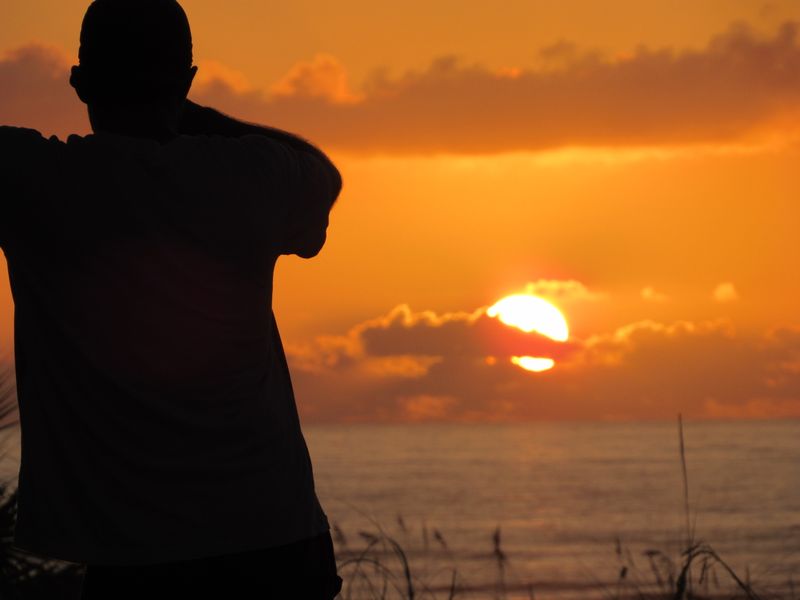
Walk the complete circuit of Dubrovnik's medieval walls — one of the world's finest fortification systems — above the glittering Adriatic. The marble-paved Stradun main street, baroque churches, and the Game of Thrones filming locations make this UNESCO city endlessly photogenic.
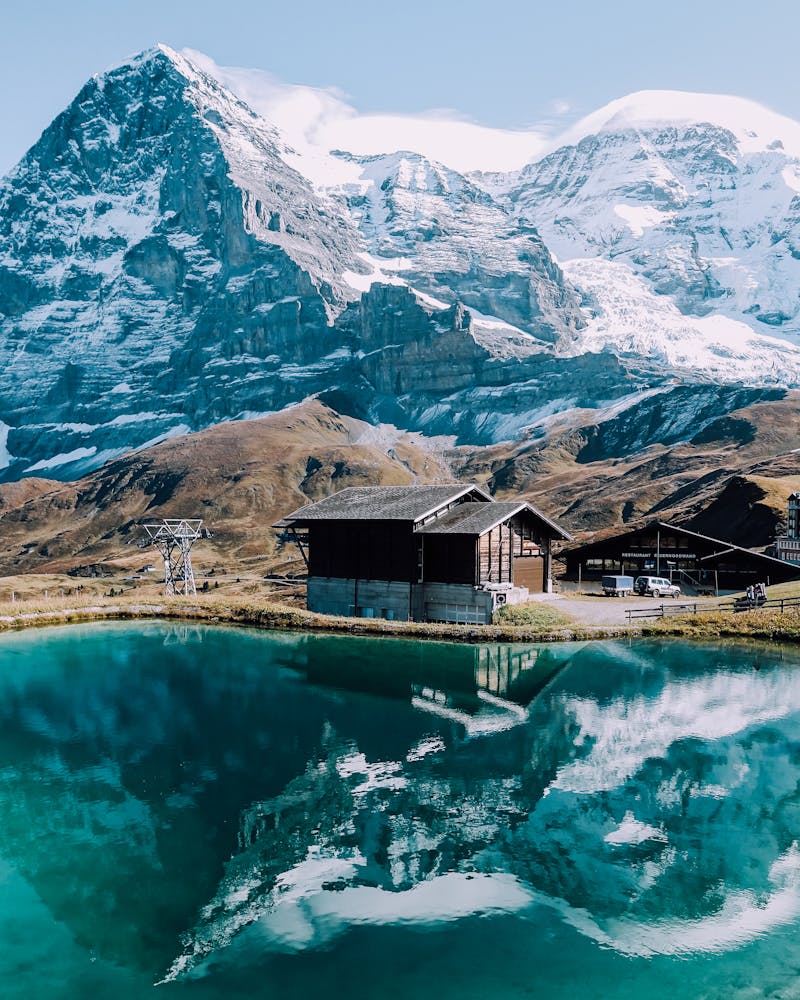
Croatia's most visited attraction — a UNESCO World Heritage cascade of 16 terraced turquoise lakes connected by waterfalls and wooden boardwalks through lush forest. The vivid mineral-rich water changes colour from azure to green depending on light and minerals.

Uniquely, Split's entire Old Town occupies the 3rd-century Diocletian's Palace — built by the Roman Emperor as his retirement complex. The palace's ancient colonnaded Peristyle square now hosts open-air restaurants and the city's vibrant social life.
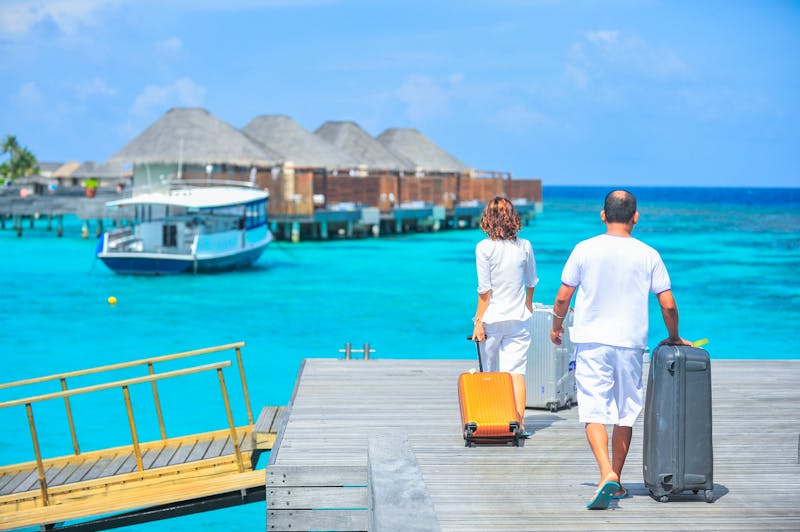
Hvar is Croatia's sunniest island — 2,726 hours of sunshine per year — and combines medieval Venetian architecture in Hvar Town, lavender-scented hills, exclusive beach clubs, and some of the clearest waters in the Mediterranean for swimming and snorkelling.
The Krka River cascades over a series of spectacular waterfalls through a canyon of lush vegetation. Unlike Plitvice, you can swim in the pools at Skradinski Buk — one of the most joyful summer experiences in all of Croatia.

This romantic Venetian fishing town on the Istrian Peninsula rises on a peninsular hill topped by the baroque St Euphemia's Church. Its pastel-painted houses reflected in the harbour, cobbled lanes, and excellent truffle-infused Istrian cuisine make it Croatia's most charming town.
June and September are the sweet spots — warm enough for swimming with far fewer crowds than July–August peak. Spring (April–May) is ideal for Plitvice and cultural sightseeing. Dubrovnik is best avoided in peak July–August when cruise ship crowds overwhelm the walls.
Ferries (Jadrolinija) are the backbone of island transport. The coastal highway (Jadranska magistrala) is scenic but can be slow in summer. Domestic flights connect Zagreb to Dubrovnik in under an hour — far faster than driving. Split is the main hub for ferry departures.
Feast on grilled fish and seafood along the coast, black risotto (crni rižot) with cuttlefish ink, peka (slow-cooked meat under an ember-covered dome), Istrian truffles, and prsut (Dalmatian prosciutto). Pair with local Plavac Mali red wine or Pošip white.
Dubrovnik introduced tourist limits to protect resident quality of life. Book Old Town accommodation well in advance. Respect locals by not walking in swimwear beyond beach areas. Croatia's Adriatic coast is ecologically sensitive — never anchor on protected seagrass beds.
Let VINTAGE EUROPE TRAVEL AND TOURISM craft your perfect journey through Croatia's most captivating destinations.
Plan My Trip
