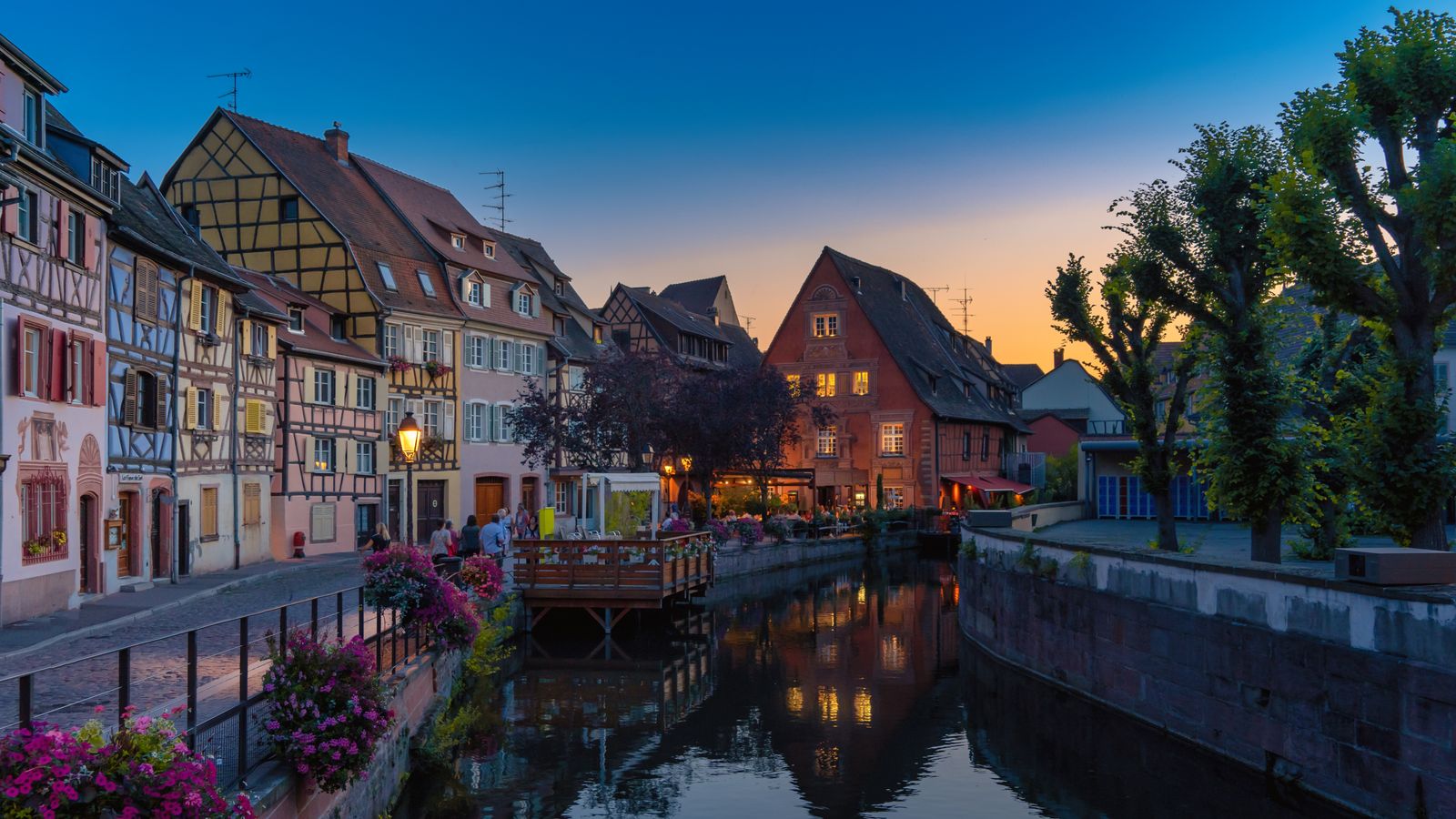
Bulgaria is one of Europe's oldest and most historically layered nations — settled by Thracians before recorded history, later home to one of the medieval world's most powerful Bulgarian Empires, and shaped by five centuries of Ottoman rule. Yet Bulgaria remains surprisingly off the main tourist trail, offering authentic experiences at a fraction of Western European prices.
From the rose-oil valleys of the Kazanlak region (Bulgaria produces 85% of the world's rose oil) to the dramatic Rhodope and Pirin mountain ranges, from the UNESCO-listed Rila Monastery to the vibrant Black Sea resorts of the coast, Bulgaria is a country of enormous variety packed into a small and accessible territory.
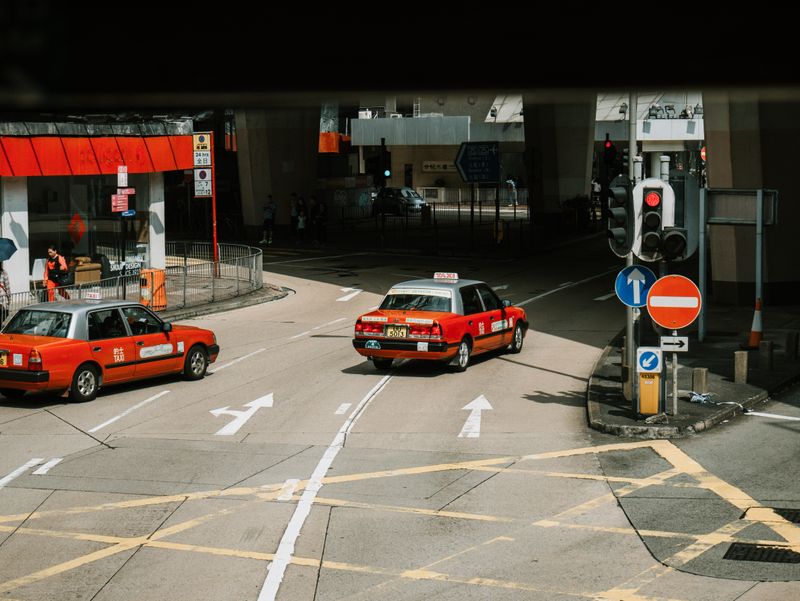
Nestled in the Rila Mountains, this UNESCO-listed monastery is Bulgaria's most visited cultural monument. Its striped arches, vivid frescoes covering every inch of the walls, and the haphazard medieval tower in the courtyard are remarkable examples of Bulgarian National Revival architecture.

Bulgaria's capital sits atop 7,000 years of continuous habitation. Ancient Roman ruins appear beneath modern buildings — the Serdica archaeological complex is literally under the metro station. The Alexander Nevsky Cathedral, one of the Balkans' largest Orthodox churches, dominates the skyline.
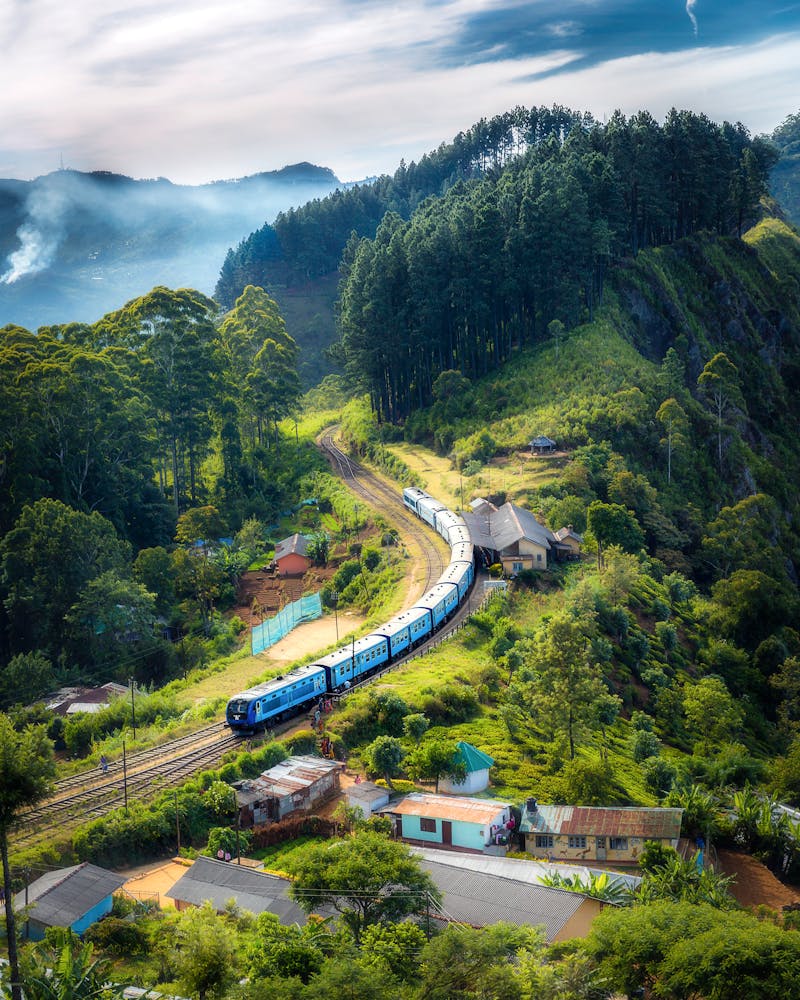
Bulgaria's second city is built on seven hills and has been continuously inhabited since the 4th millennium BC. The Old Town's cobbled streets, National Revival mansions, ancient Roman amphitheatre, and thriving arts scene earned it the title of European Capital of Culture 2019.
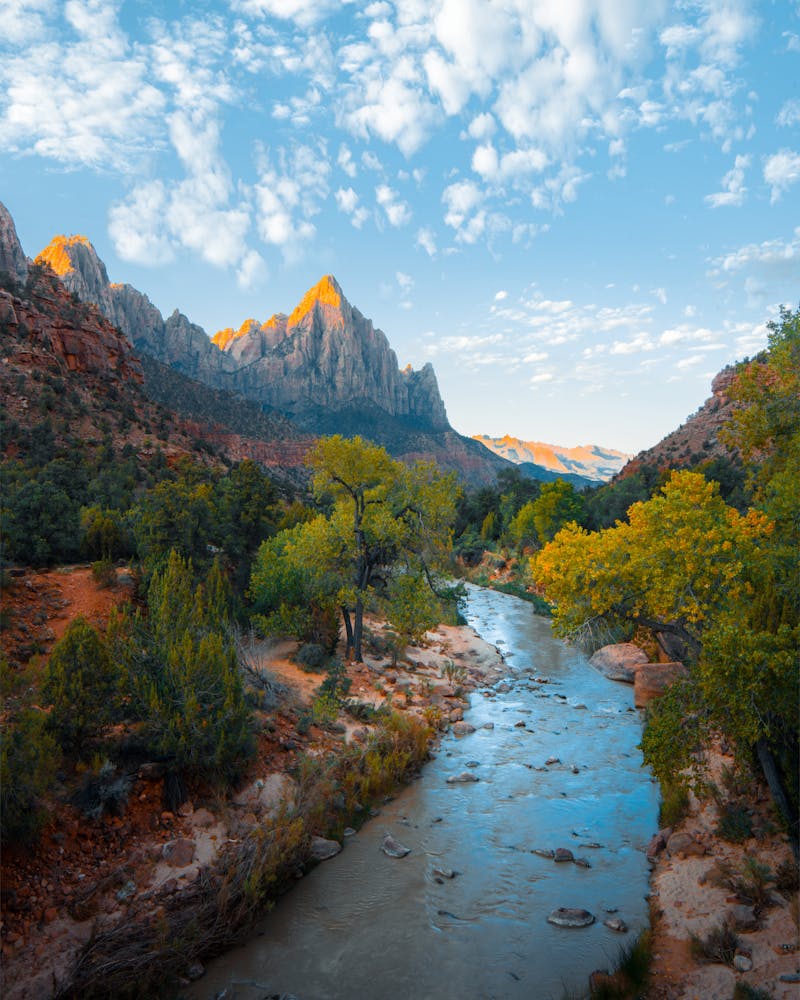
Bulgaria's premier ski resort sits at the foot of Pirin National Park (UNESCO World Heritage). The historic Bulgarian Revival quarter with its stone-cobbled lanes and traditional mehana taverns contrasts delightfully with the modern ski infrastructure above.
Bulgaria's legendary Rose Valley produces most of the world's rose oil used in perfumes. In May and early June, the fields of Damask roses are harvested at dawn and the entire region celebrates with the Kazanlak Rose Festival — one of Bulgaria's most colourful events.
Connected to the mainland by a narrow isthmus, this UNESCO-listed ancient city on the Black Sea dates to 3,200 years ago. Its Byzantine churches, medieval fortifications, and wooden National Revival houses make it one of Bulgaria's most atmospheric destinations.
May–June for rose festivals and hiking. July–August for Black Sea beaches. December–March for skiing in Bansko. September–October brings mild weather, grape harvest festivals, and golden autumn colours in the mountains with almost no tourists.
Bulgaria's train network is scenic but slow. Buses (Biomet, Union-Ivkoni) are faster for intercity travel. Renting a car is ideal for exploring monasteries, mountain villages, and the Rose Valley. Sofia has a good metro; Plovdiv is best explored on foot.
Try banitsa (cheese-filled filo pastry), tarator (cold yogurt and cucumber soup), kebapche (grilled minced meat), shopska salad (tomato, cucumber, pepper with white feta), and kavarma (slow-cooked meat stew). Rakia (fruit brandy) is Bulgaria's national drink.
Bulgaria is one of the EU's most affordable destinations. Restaurant meals are a fraction of Western European prices. Accommodation, public transport, and entrance fees are all excellent value. The currency is the Bulgarian Lev (BGN) — not the Euro.
Let VINTAGE EUROPE TRAVEL AND TOURISM craft your perfect journey through Bulgaria's most captivating destinations.
Plan My Trip
